Blog Details
07 May 2025
Bridging Generations: Smarter Training for Multi-Age Factory Teams
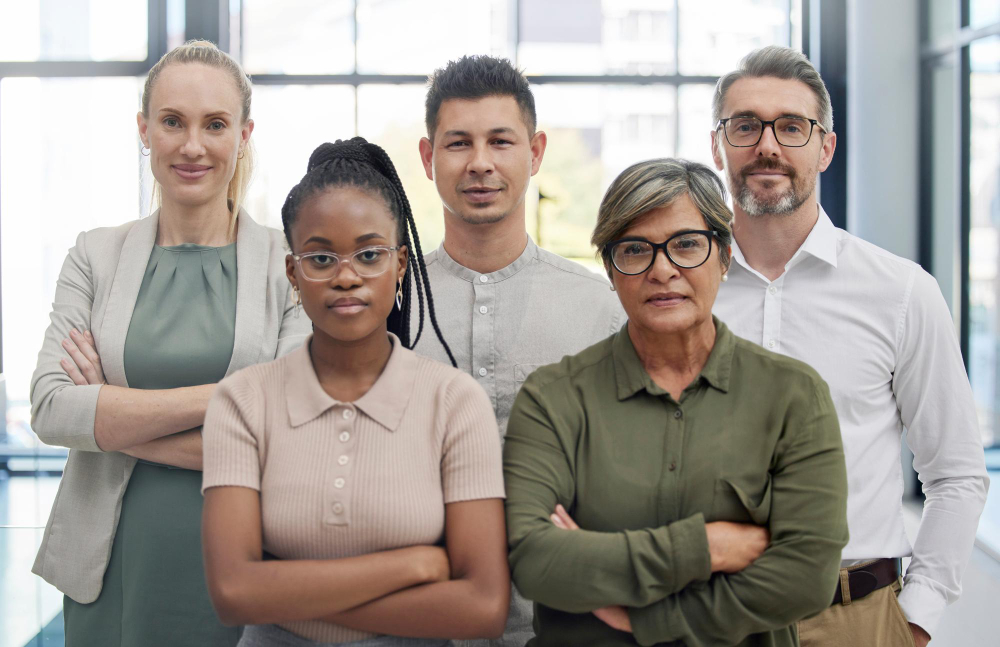
The manufacturing and engineering sectors are home to a unique workforce; a blend of seasoned Baby Boomers, experienced Gen X, digitally native Millennials, and tech-savvy Gen Z. Each generation comes with its own communication style, learning preferences, and attitudes toward technology. But all too often, training programs designed to boost skills and performance treat this diverse workforce as if everyone learns the same way.
However, a one-size-fits-all approach doesn’t work when it comes to training. Different generations have distinct needs and expectations. In fact, when these differences aren’t addressed, communication breakdowns, tech adoption resistance, and disengagement can undermine training effectiveness. In the fast-paced, high-skill environment of factories, that can translate into costly delays and missed opportunities for growth.
The Challenges
1. Communication Styles: Baby Boomers and Gen X often prefer face-to-face interactions and hands-on demonstrations, while Millennials and Gen Z tend to embrace digital communication, online resources, and interactive content. When the training approach doesn’t match their preferences, it can hinder information retention and application on the job.
2. Tech Adoption: Older generations may not have grown up with the same technological tools that Gen Z navigates with ease. While Boomers may be hesitant to adopt new software or machinery, Gen Z is often already familiar with the latest technology. This gap can cause friction, especially when factory operations depend on digital systems.
3. Learning Preferences: The learning rhythms of each generation vary. Boomers might appreciate detailed, structured training sessions, whereas Millennials and Gen Z often prefer bite-sized, on-demand content that they can access anytime, anywhere. If training sessions fail to account for these preferences, they risk leaving part of the workforce behind.
Tailoring Training to Fit Generational Needs
To bridge these gaps and make training more effective, companies must design training programs that respect generational differences. Here’s how:
1. Customized Communication: For training to resonate, use a blend of communication styles. Face-to-face training or group discussions can still be highly effective for Baby Boomers and Gen X, while Millennials and Gen Z may respond better to digital formats, such as webinars, podcasts, or interactive apps. The key is to integrate both, ensuring that all generations have access to the formats they feel most comfortable with.
2. Gradual Tech Integration: When introducing new technology, offer a hybrid approach. Begin with traditional methods for those who may not be as comfortable with new tools, while simultaneously providing digital resources for those who are ready to dive in. Pairing up tech-savvy employees with less tech-comfortable colleagues for mentorship can also create a smooth transition.
3. Flexible Learning Modalities: Training programs should offer multiple delivery formats to cater to the preferences of all generations. For instance, for older employees, consider offering longer, instructor-led sessions that provide in-depth exploration. For younger employees, use on-demand resources, such as mobile training apps, online videos, and gamified content, which allow for more self-directed learning.
4. Offer Peer Learning Opportunities: In multi-generational workplaces, peer-to-peer training can be invaluable. Mentorships and buddy systems allow younger generations to share their tech expertise with older workers, while more experienced employees can provide insights into industry best practices and processes. This cross-generational exchange fosters collaboration and mutual respect.
Aligning Training with the Workforce of Tomorrow
Ultimately, the goal is to create a training program that aligns with both individual learning needs and broader organizational goals.
By tailoring training to the strengths of each generation, companies can not only improve skill acquisition but also foster a culture of collaboration and innovation. With a smarter, more inclusive approach to training, manufacturing teams can overcome generational divides and work together to drive success. The factory of the future is diverse, and with the right training strategies in place, it will be a place where every generation can thrive.